Before beginning their teaching careers, many teachers had unique working experiences, which continue to shape their lives today.
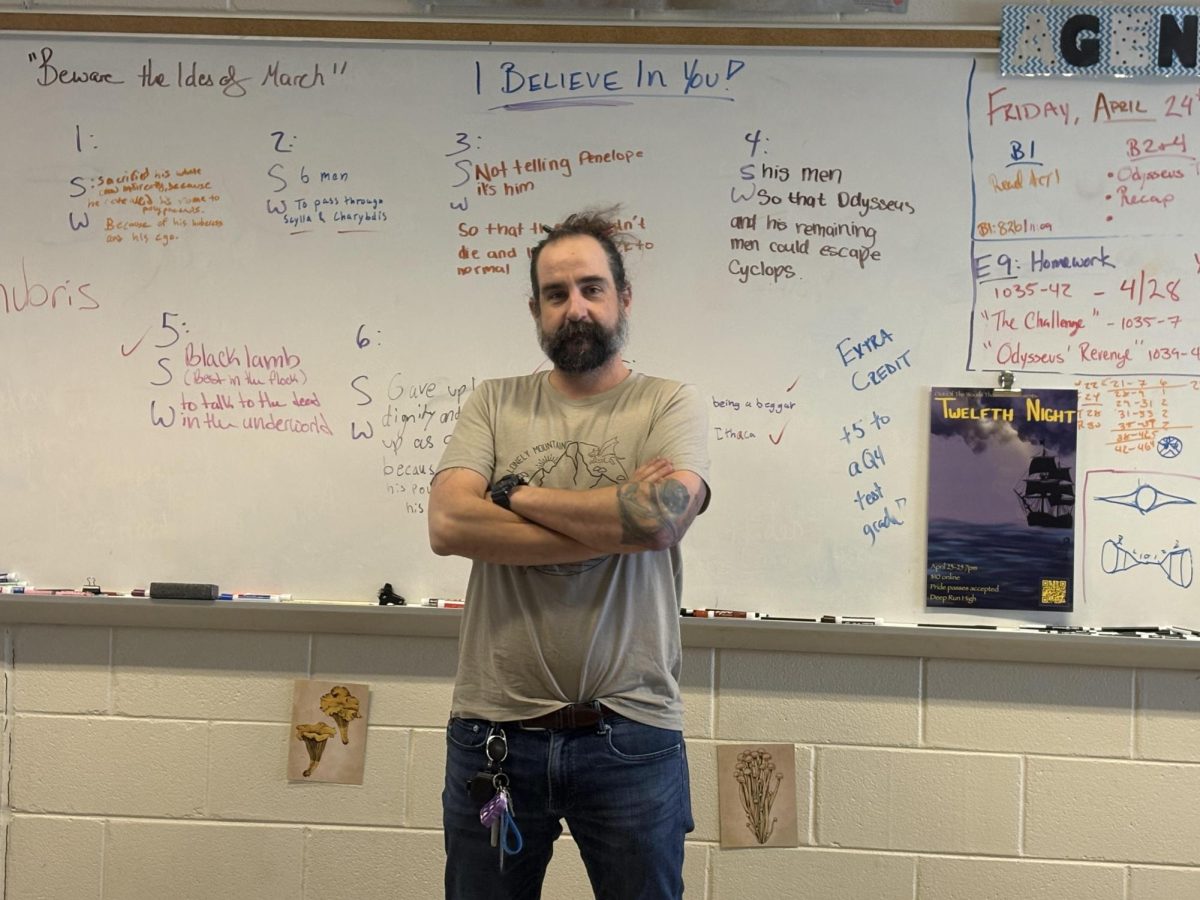
Before becoming an educator, social studies teacher Curt Fritts worked on many political campaigns, including Mark Warner’s gubernatorial campaign in 2001 and Tim Kaine’s gubernatorial campaign in 2005. His work began as volunteering and eventually led to more responsibility.
“I got to kind of elevate from a volunteering position to a field organizer, […] helping out with event planning and kind of coordinating with event spaces and making sure that we have all of the logistics in place,” Fritts said.
While campaign work often involved long hours and intense workloads, Fritts enjoyed being involved in politics.
“So that was kind of exciting because I was getting to kind of have my hands in the campaign a little bit more than just simply calling people all day,” Fritts said.
Fritts’ interest in politics began early, influenced by his mother’s work during Jimmy Carter’s presidency and a school assignment when he was in middle school.
“I was really inspired as a kid. Bill Clinton was elected when I was 12 years old, and I remember making an entire scrapbook,” Fritts said.
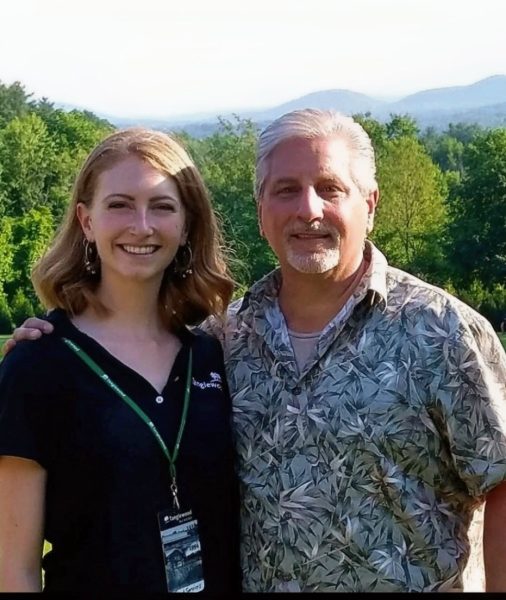
Eventually, Fritts decided to step away from politics and pursue teaching.
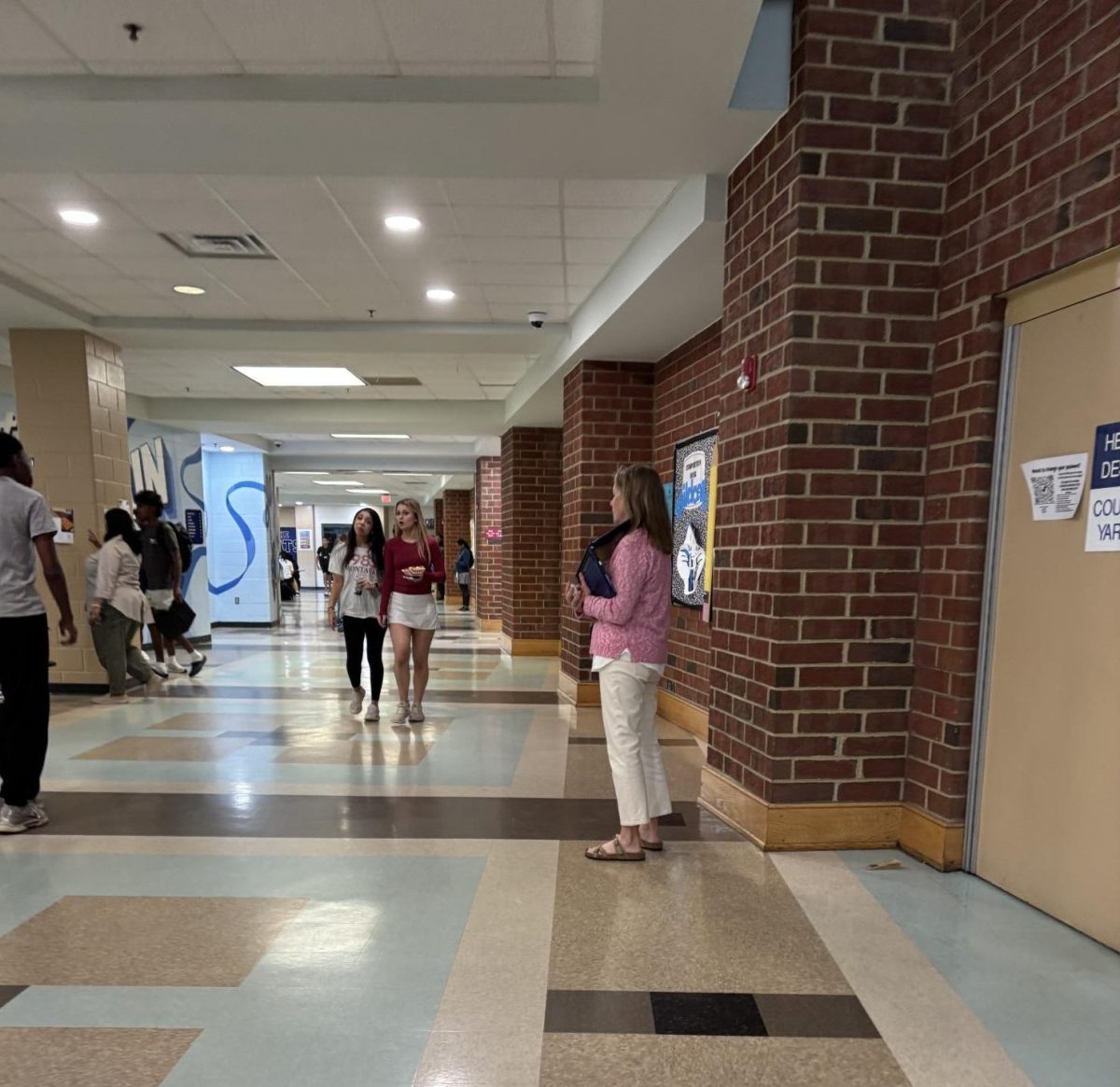
“I just wanted to have fun and talk about history,” he said. “I loved high school…like the buzz in the hallways, and I like the pep rallies.”
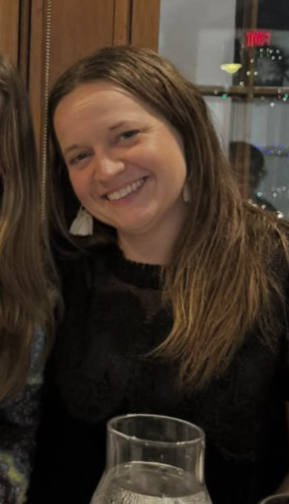
Like Fritts, social studies teacher Jessica Voutsinas had a similarly demanding job before teaching, working in event planning for the Boston Symphony Orchestra. With a small team, she helped plan more than 2,500 events each year.
“It was everything, just booking a room for somebody to have a meeting to full galas,” Voutsinas said.
Because of the variety of events, no two days were the same. “It was very intense. I worked pretty much 9 a.m. to 11 p.m. every day, six days a week,” Voutsinas said.
For Voutsinas, the COVID-19 pandemic brought her career in event planning to a halt, prompting her transition into teaching.
“I was already thinking I wanted to go into teaching instead. And then because of the pandemic, there were no more events. […] It was a very perfect and natural transition,” Voutsinas said.
But her time working there still plays a pivotal role in her teaching.
“You had to learn how to juggle all of those different things. And I think teaching can be like that, too,” Voutsinas said.
Although they are now in a very different role, the skills and experiences gained in their early careers continue to shape how these educators teach, organize their classrooms, and connect with those around them.