As of Nov. 5th, 2025, the recent government shutdown became the longest in U.S. history, surpassing the previous record set in 2019 of 35 days.
Every year Congress must decide on a spending plan to send to the president to be signed into law before Oct. 1. This year, lawmakers failed to reach an agreement before the deadline. Republicans currently control both chambers of Congress, but 60 votes are needed in the Senate to pass a spending bill, and efforts to reach that threshold have failed 14 times.
The holdup of deciding on a bill came down to including an extension of expiring tax credits that aim to make health insurance more affordable for Americans and a reversal of Trump’s cuts to Medicaid, which the Democratic Party favors. Republicans argue that those provisions should be debated separately from the budget and are pushing for what they call a “clean resolution” not including the health care extensions.
On Wednesday, Nov. 5, Trump made a statement to conservative senators during a meeting, “It’s time for Republicans to do what they have to do, and that’s terminate the filibuster. It’s the only way you can do it. And if you don’t terminate the filibuster, you’ll be in bad shape. We won’t pass any legislation.”
A filibuster is a tactic in a legislature used to delay or block a vote on a bill by extending debate indefinitely. To stop a filibuster, a three-fifths majority, or 60 votes, is needed to end the government shutdown.
Americans all across the country were feeling the impact of the government shutdown’s longevity, including right here in Richmond, Virginia.
“During a shutdown, all non-essential discretionary federal functions must cease,” Richmond Chief Administrative Officer Odie Donald II said in a recent statement. This means that many government workers were either not working or working without pay. This slowed air traffic, small businesses weren’t receiving loans, and early childhood development for low-income children lost federal funding.
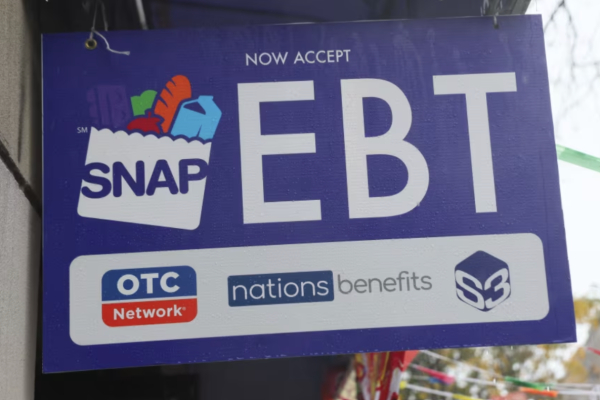
One of the largest programs affected was the Supplemental Nutrition Assistance Program (SNAP), which provides monthly stipends to help low-income families buy food. Without federal funding, SNAP payments and applications were set to stop on Nov. 1, putting recipients in danger of dire food insecurity for nearly two weeks.
According to the Virginia Department of Social Services, 54,000 Richmond residents and 37,236 Henrico County residents rely on SNAP benefits, in addition to many other residents in surrounding counties.
To help cover the gap, Governor Glenn Youngkin declared a state of emergency in Oct., allowing his administration to use state emergency funds to keep the SNAP program running through November.
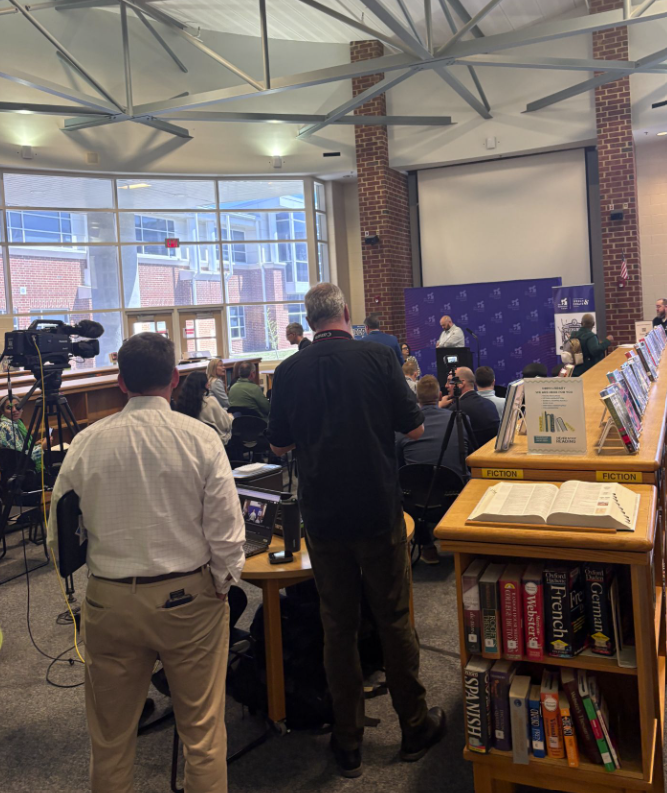
“Virginia is the first state in the nation providing direct nutritional assistance to SNAP recipients during this shutdown,” Youngkin said in a Nov. 4 press release. “But we know there are still thousands of families, including federal workers and newly eligible Virginians, who are struggling to make ends meet. The Virginia Cares Initiative ensures that our communities can step forward to bridge that gap, especially as we approach Thanksgiving.”
The Virginia Cares Initiative, which launched on day 35 of the shutdown, is a statewide food drive created to provide meals and groceries to Virginians affected by the ongoing federal shutdown.
On the 41st day of the record-long government shutdown, the U.S. Senate voted 60 to 40 to end the shutdown. The budget resolution is temporary, though, and may only last through Jan. 30, when Congress will need to vote on the budget again. For now, state emergency funds have sustained food assistance through November, but it’s unclear what will happen to local families impacted by interrupted pay for over 40 days or if the federal government is forced to shut down again in January over a renewed budget showdown.