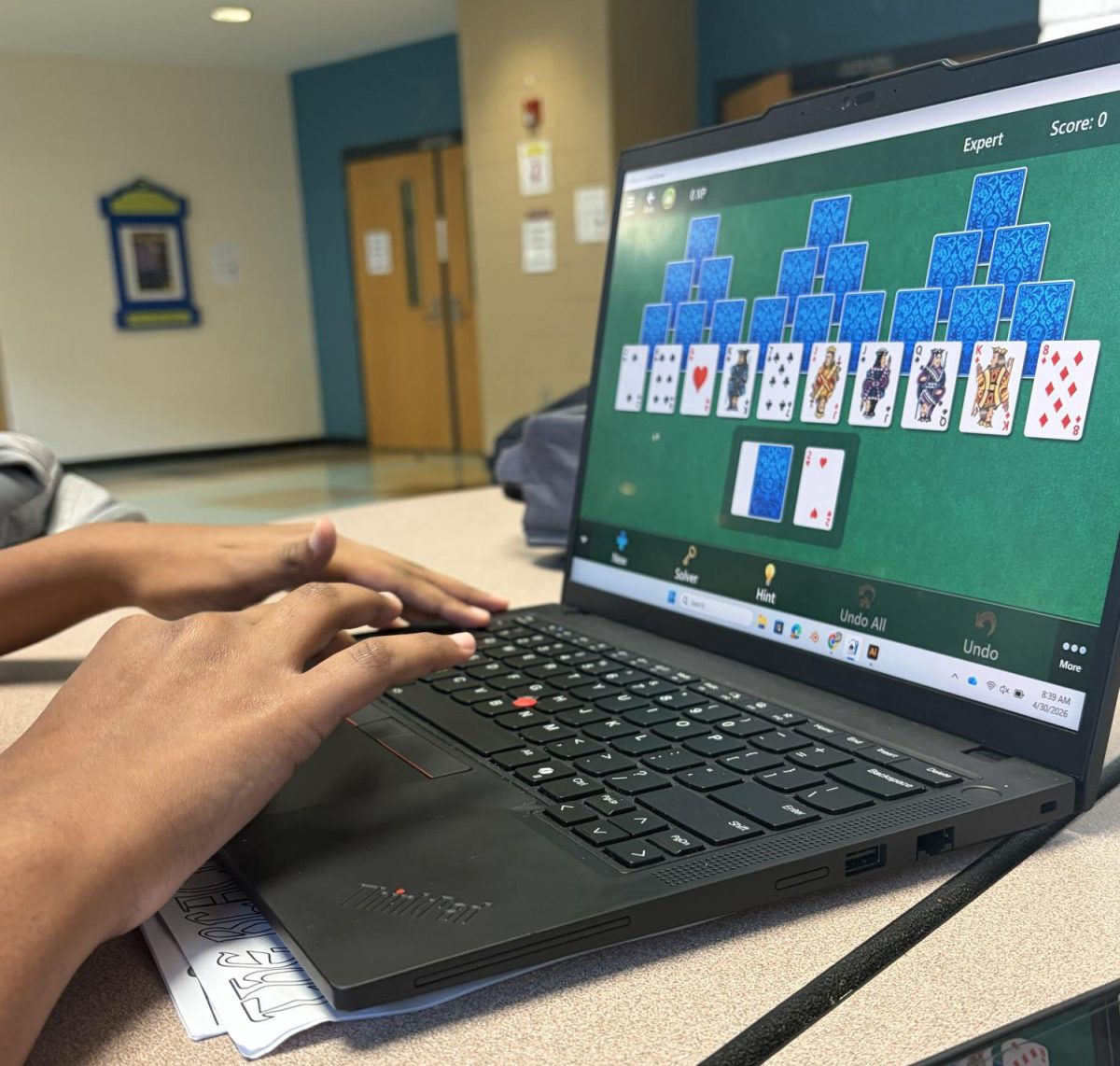
Students can feel frustrated when they see a substitute teacher in their classroom because it takes away time they could spend learning. Substitute teachers are important because they keep classes running when teachers are absent, but many aren’t trained to teach all the different subjects. Some students often take it as a sign that it’s a free class. Our school needs better-prepared, engaging substitute teachers who can manage classrooms more effectively.
Many substitute teachers, or other staff members who are covering a completely different class, don’t know they’re subbing a class until that morning. This leads to them being unprepared and not being able to help students study and do their work. Often, they only tell students to “work quietly” and may not be able to answer questions or help with assignments. Due to this lack of preparation, students can fall behind in class or receive a lower grade on homework or on the next quiz/test in that class.
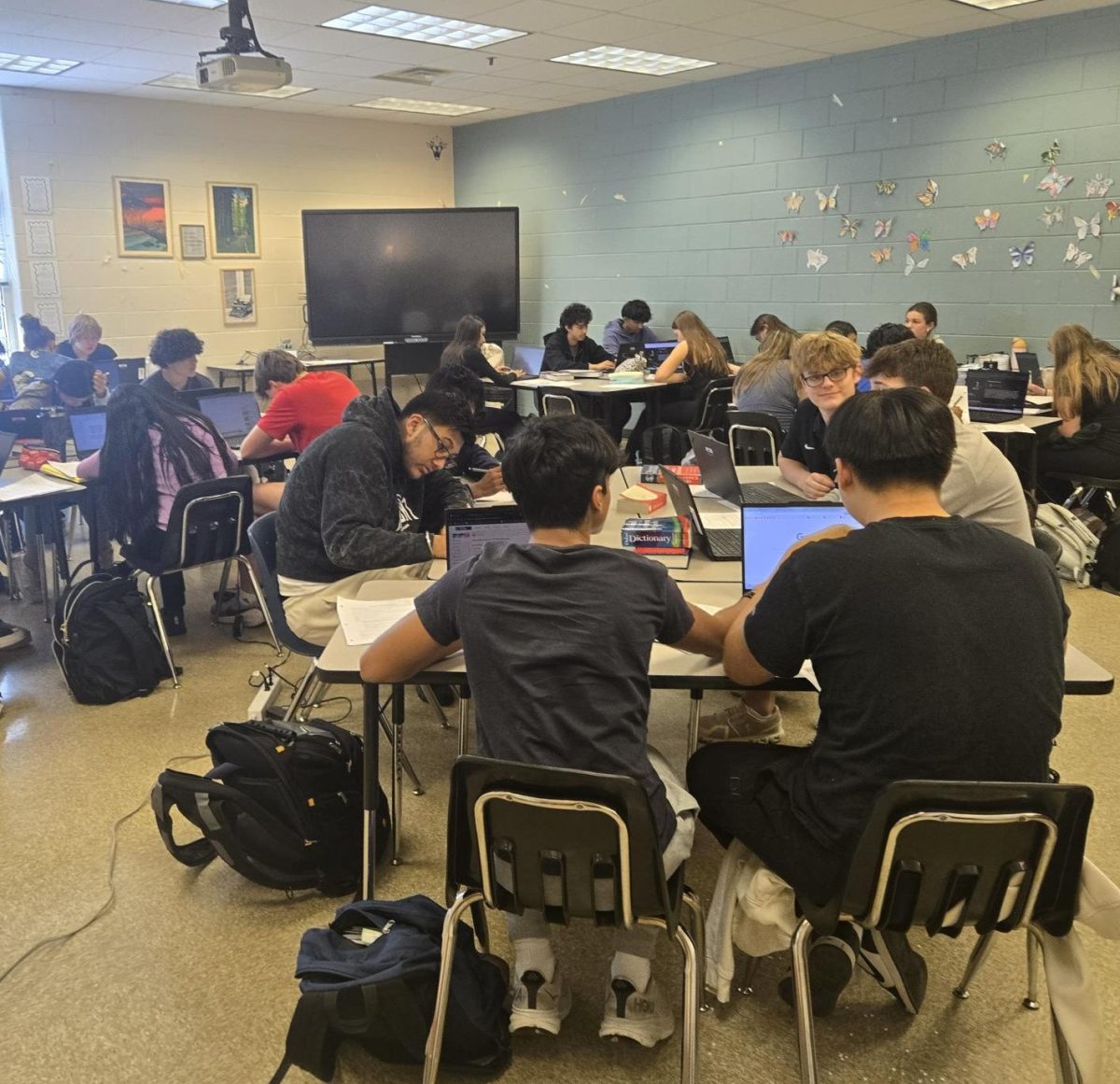
Classroom management may also become an issue. Substitutes are supposed to supervise students, but oftentimes they struggle to control the environment. This can cause the class to become noisy or chaotic, therefore distracting everyone who is trying to do their work. Those who are trying to be productive, even if it’s for another class, tend to lose focus because of the surrounding distractions in the classroom.
However, by interacting with students, the substitute teacher can get a sense of what they are supposed to be working on and ensure everyone is on task. Actively monitoring the room can make a big difference. Better substitutes could maintain order and improve the learning environment during teacher absences.
There are several ways school districts could improve the substitute system, but they first have to address the shortage of substitutes overall. Many schools already struggle to find enough people to cover classes, for which teachers often get paid to substitute for other classes during their planning period. To attract and keep more qualified substitute teachers, school districts could increase pay, offer stronger incentives, and provide more classroom management training. Better preparation would help substitutes feel more comfortable and confident in their position, keeping classes productive. With better trained substitutes in place, teachers may be able to leave more assignments and maintain higher expectations even in their absence. With more reliable and better-supported substitutes, classrooms would lose less learning time and run more smoothly.
Teacher absences are unavoidable, but lost learning time need not be. Better prepared substitute teachers would help turn an unproductive classroom into a productive learning environment.