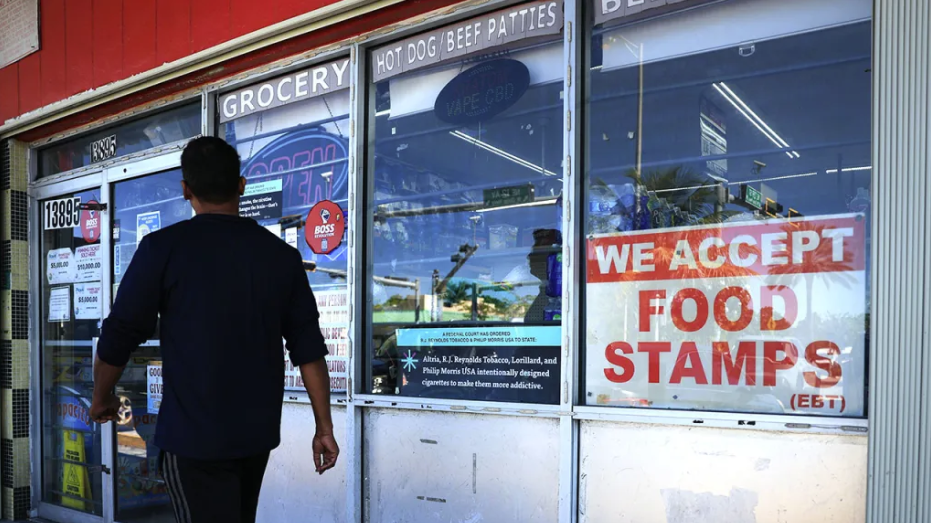
The SNAP (Supplemental Nutrition Assistance Program) is a federally funded anti-hunger program that helps lower income members of the population by providing them with the means to buy food. This program is more well-known by its former name, food stamps.
SNAP typically provides relief to more than 40 million Americans in need nationwide. However, in the wake of the longest government shutdown in U.S. history, those benefits were temporarily paused.
The lack of agreement by the government on a federal budget has stalled many government-funded projects and programs, but the cessation of SNAP has been a big source of controversy.
Although these changes were not permanent and SNAP benefits are slowly rolling out to the people for the month of November based on emergency funding provided by states, some states, like Pennsylvania as of Nov. 10, have not resumed the process.
Some SNAP recipients have received full benefits, others got a partial cut, and still others have received no benefits and no word about when or if they will resume.
For Virginia specifically, SNAP beneficiaries were to be paid 65 percent of the normal monthly amount. Additionally, Governor Glenn Youngkin said on Nov. 9 that the Virginia Nutrition Assistance (VENA) program will be halted – after just a week or so of existence – at the state level as a result of SNAP payments rolling in.
The VENA program was launched by Governor Youngkin at the beginning of November in order to help Virginia residents cope with the lack of certainty surrounding their next meal. The monetary benefits were issued weekly instead of monthly through recipients’ EBT card (the same one used for SNAP) to offset any negative effects caused by SNAP’s current instability.
The cancellation of VENA presents an issue for Virginians statewide. Some never received their VENA benefits and even if they do receive their SNAP stipend, it won’t be nearly as much as they usually get and it will likely impact their quality of living for the month, if not into December and beyond should these problems persist.
It is important that we as a community come together and offer relief to families and individuals who are unable to provide relief for themselves. Times like these are why programs like the Henrico Christmas Mother exist.
People are more likely to donate a couple cans of soup or some old clothing around the holidays to a family who needs it than any other time. As selfish as it sounds, those who are more fortunate don’t often think about how easily they can help people less well off than themselves.
When I Googled topics related to donating to charity while researching for this article, the suggested searches were all about how to write off donating to charity on your taxes, like that was the most important part. It honestly made my stomach drop a little bit to think about how much of an inconvenience the average American considers being charitable to be.
A little can go a long way, and I don’t think anyone realizes that as much as they should. When the person taking your order at McDonald’s asks you to round up to donate to charity, they’re not just saying that to get a couple extra cents out of your pocket.
Regardless of the bleak reality right now, there may be a glimmer of hope in the darkness for those eligible for SNAP. As of Nov. 13, the government shutdown has been brought to an end, at least through Jan. 30. The Trump administration seems adamant that full SNAP payments not be sent out, but the bill that President Trump just signed guarantees those benefits through September 2026.
However, this provides little comfort to the 42 million Americans currently struggling to close the gap because of this holdup. They have been given full benefits as of Monday, Nov. 17, but Trump’s “big beautiful bill” signed in July of this year will make it even harder for those with low income to receive any kind of monetary relief moving forward.
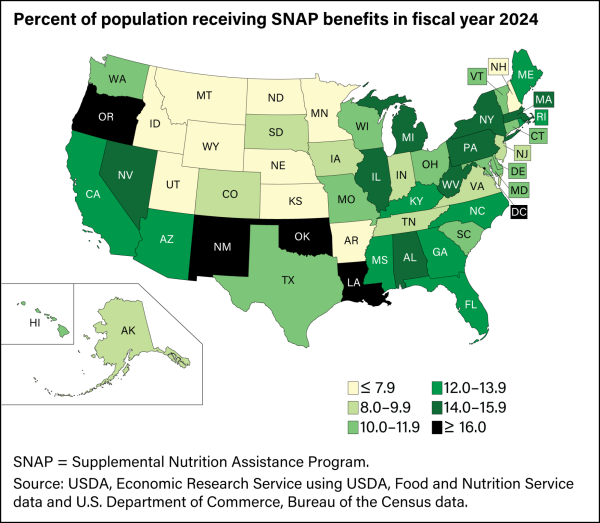
A lot of the eligibility rules for SNAP have been altered. The new rules exclude orphans who were in foster care until they turned 18 and able-bodied adults under the age of 64 (cutoff was previously 54) who don’t meet work requirements and have no dependents (people who rely on them).
As if this situation couldn’t get more unfavorable, states will now have to share in the cost of SNAP. This means some states may cut down on benefits, and others may even leave the program, dooming their eligible residents.
It is estimated by the Congressional Budget Office (CBO) that 1.1 million Americans will lose access to SNAP in the next 10 years, spelling out a dire future for everyone involved – with the exception of the upper-class elite who make these mean-spirited decisions.
Unfortunately, this leaves those who rely on SNAP for food wary of times ahead. For Americans in need, it seems as though things may have to get worse before they get better. It’s just a matter of how much more “worse” those who are in need can take.